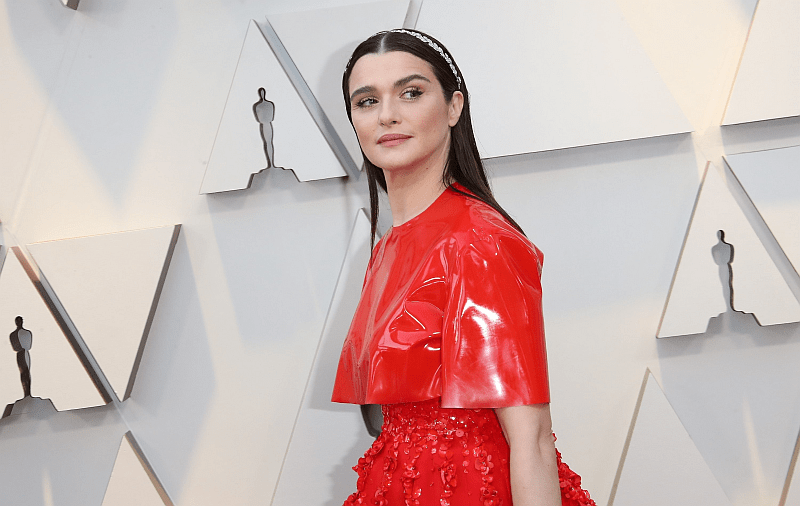
Richard Quinn A/W21

Imagine compiling a list of everything you love, storyboarding it as a film, and having the time and budget to execute it.

This, according to Richard Quinn, was how his short film “Richard Quinn A/W21” was dreamt up. After watching the film itself, we guess the list looked something like this:

  • Floral Prints
  • Latex
  • The 60s
  • Soho
  • Neon
  • Catwoman
  • BDSM
  • Dance
  • Willy Wonka
  • Born Slippy

Wowzers (2019)

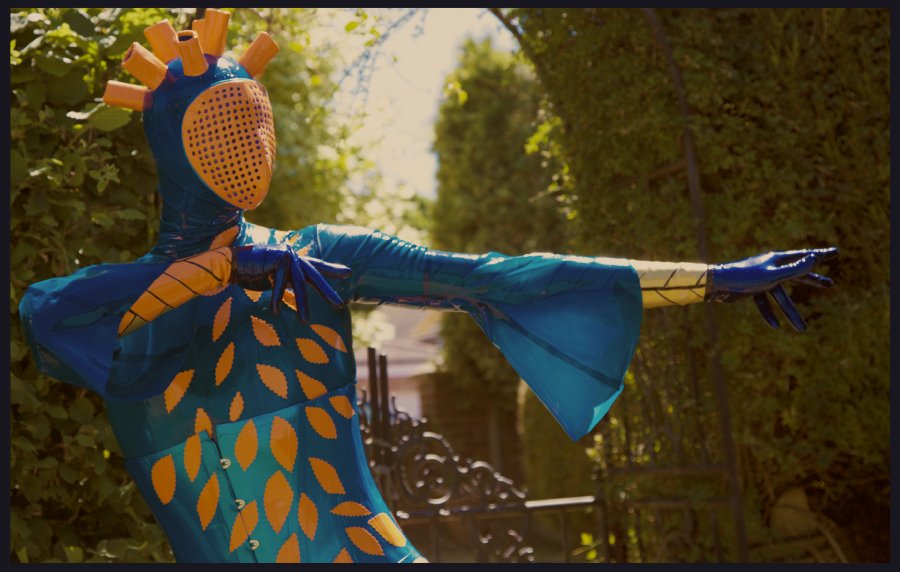
In the series Twin Peaks, the oft-referenced Red Room serves as an extra-dimensional anteroom; a kind of lobby linking our normal plane of existence with a much darker spiritual realm. It’s possible to visit fleetingly in dreams, but when the protagonist finds a pathway there in actuality, we realise it’s impossible to come back from that place without being a fundamentally changed person.

This, I feel, is a good preamble for a comment on the short film “Wowzers” by Ace Thor and Sam Fox, which wears its comparisons with David Lynch proudly, and has undoubtedly been influenced both in theme and style by his works.

rubberik shoes (1)

Latex shoes? Rubberik has got you covered

Ruberrik is a fetish wear and alternative fashion store from Vienna, with a focus on latex. Besides some fantastically detailed and original clothing (crafted from their in-house latex sheeting) they have now impressed us with a line of latex shoes. It is rare to see latex clothing designers offer a range of shoes, let alone with this level of variety.

The pictures below from the Ruberrik store offer a glimpse of the designs available, which include shoes, boots, sandals, trainers and high heels.

BBC article on latex clothing

One of our pet peeves has been the recent mass of poorly researched journals plastering the word ‘latex’ all over their fashion pages, at the first sight of any celeb in a material remotely shiny or ‘wetlook’. It’s not that we consider the likes of PVC and pleather as inferior, cheap plasticky substitutes for latex (though we totally do!); it’s that it muddies the waters, making it confusing for anyone who wants to try one of these materials.

Anyway, ranting aside: in a nice antidote to the aforementioned transgressions, the respected national institution of the BBC has put out a mostly well-researched and detailed article on the history of latex clothing – and we don’t have to put quotes around the word here – they are genuinely talking about latex rubber!

[visual-link-preview encoded=”eyJ0eXBlIjoiZXh0ZXJuYWwiLCJwb3N0IjowLCJwb3N0X2xhYmVsIjoiIiwidXJsIjoiaHR0cDovL3d3dy5iYmMuY29tL2N1bHR1cmUvc3RvcnkvMjAyMDAxMDgtZnJvbS1mZXRpc2gtdG8tZmFzaGlvbi10aGUtcmlzZS1vZi1sYXRleCIsImltYWdlX2lkIjowLCJpbWFnZV91cmwiOiIiLCJ0aXRsZSI6IkZyb20gZmV0aXNoIHRvIGZhc2hpb246IFRoZSByaXNlIG9mIGxhdGV4Iiwic3VtbWFyeSI6Imh0dHA6Ly93d3cuYmJjLmNvbS9jdWx0dXJlL3N0b3J5LzIwMjAwMTA4LWZyb20tZmV0aXNoLXRvLWZhc2hpb24tdGhlLXJpc2Utb2YtbGF0ZXhcblxuT25jZSBzaG9ja2luZyBhbmQgZmV0aXNoaXN0aWMsIHJ1YmJlcndlYXIgaGFzIHNpbmNlIGJlZW4gZW1icmFjZWQgYnkgZmFzaGlvbiBvbiBjYXR3YWxrcyBhbmQgdGhlIHJlZCBjYXJwZXQuIEl04oCZcyBiZWVuIGFuIGV2ZW50ZnVsIGpvdXJuZXksIHdyaXRlcyBDYXNzaWR5IEdlb3JnZS4iLCJ0ZW1wbGF0ZSI6InVzZV9kZWZhdWx0X2Zyb21fc2V0dGluZ3MifQ==”]


Cage the Elephant

Cage The Elephant’s Matt Shultz in Latex

Performing on The Late Show in April, the lead singer of American rock band Cage the Elephant topped off a sequence of latex appearances which have included the music video for Ready To Let Go, and the album cover for Social Cues (above).

Matt Shultz wears a red or black catsuit adorned with some kind of accessory, whether it be a cowboy hat, neck chains, or even a latex mask. It’s a combination which has seen him labelled ‘A fetish cowboy from the set of American Horror Story who looks a bit like a young Mick Jagger’ (summary mine).


A number of youtube commenters (we’re sorry for resorting to this metric, but youtube commenters are about as intolerant as it gets, usually) have concluded that the look ‘works’. And that is the story here: If you’re a rock star, with a license to not give a fuck, you have carte blanche to dress as outrageously as you like. Yet while female stars have fetish-fashion all but sewn up, there is the male reticence to experiment. What gives?!

We called for more male stars wearing latex in our post about Michał (‘Michaw’) Szpak. After Matt’s fetishy garb, and Michał’s ostentatious display, a modest, fashionably cut garment which just so happens to be rubber would be almost conservative!

Why does this matter? Because people in the public eye set the trend. Do you think ASOS and House of CB would have carried their popular latex lines if not for the Kardashians, Katy Perrys and Lada Gagas of the world?

Our dream is simple: to see a shinier, sexier world, for women’s AND men’s fashion!

naranga_loof_by_catastacharisma photo by Goblintographer

Q&A With Catasta Charisma

Catasta Charisma’s latex garments represent the high bar for intricacy and creativity of design. His focus on detail is evidenced not only in the latex creations themselves but also in his self-published e-book ‘The Compendium of Rubber Garment Making’ where he lays out years of accumulated knowledge in this field, knowledge which draws on a background of tailoring with traditional fabrics. At over 600 pages, it is the bible for those serious about the art.

However, Catasta still has much more to say on the subject of rubber wear, outside of his practical how-to manuals. The Dark Shiny Fashion Alternatives blog held a Q&A with Catasta, and due to its length it has been posted in three parts. This time, we won’t be reposting it here as we’ve done with previous Q&As, but instead encourage you to head to the above blog and read the whole thing.

goedde-ivyred09-2002

Extempore by Steve Diet Goedde

Steve Diet Goedde is one of the most recognised names in contemporary fetish photography. And, naturally, within fetish photography latex clothing is often a major focus. As fans of Steve’s work, we’re happy to share the news of a crowdfunding campaign for his new art book, titled ‘Extempore‘.

The concept of Extempore is to showcase not so much ‘behind the scenes’ as ‘between the scenes’ – the spontaneous snapshots of those moments between shooting, be it of the model preparing her outfit, or simply catching a moment’s repose.

190209-SDG_3_36-37
Click to enlarge


This kind of photography fascinates us. Perhaps it’s because latex usually has something of the ‘unreal’ or the ‘hyper-real’ about it. It is larger than life in how it exaggerates everything, from the wearer’s form to the lighting of the surrounding environment, reflected in its mirror-like surface. Besides this, it is a type of clothing we just don’t see around us in everyday life. For these reasons, especially for those who covet latex or somebody wearing latex, it can attain a kind of mythology about itself.

Candid photos like those in Extempore reconnect us with the realism of the material; that it does indeed exist, that it can even be down-to-earth and tried by anyone, often in a spirit of levity. That it is simply another interesting material. This reconnection is intriguing and exciting.

Steve was kind enough to answer a few questions for us about his work, and specifically about his work with latex.


For any of our readers not already in the know, do you have prior publications and collections of your photography which may serve as a good introduction to your work?

Previous to my upcoming book EXTEMPORE (click here to preorder before March 18), I’ve had a few books published of my work – all of which have been very popular amongst fetishists and art book collectors. My first book “The Beauty of Fetish” (Edition Stemmle) was published in 1998. I had started doing fetish photography in 1990 and quickly gained a big audience due to my style which was more artistically-forward for the genre at the time. Thanks to mainstream photography magazines and the classic fetish magazines Skin Two, Marquis, and Secret, my work was getting noticed. And this was before the internet as we know it today. The success of my first book led to a follow-up “The Beauty of Fetish: Volume 2”. Fast forward to 2015, when I started a 3-part 25-year anniversary of my work. One volume was released so far, and we have two more to go in the next few years.

What first inspired you about latex clothing as a subject matter for photography? What is it that keeps you intrigued by it and keep returning to it for different shoots?

Ever since I was a little kid, I had a fascination with women’s shoes and tight, shiny clothing. Once I became old enough to feel and understand sexual attraction, that fascination took on a whole new meaning. Even at a young age, I noticed how clothing tells a story about who’s wearing it. Women wearing fetish clothing project a sense of power and empowerment while retaining and owning their sexuality. That aura always appealed to me. Nudity is fine – the curves and lines of the female form is a work of art unto itself, but when you accentuate those curves with a shiny encasement, everything I love about the female form is exaggerated and strengthened and really reveals the character of the person inside the clothes.

What considerations and challenges does latex as a material or surface present in the composition of a shot? For any aspiring photographers, can you provide any tips you would give for shooting this material?

You have to know and love latex in order to shoot it correctly. It’s all about the shine – that’s what we all love about the look. Along with the shine, latex has to fit well with as few creases as possible. It has to fit like a tight glove – can’t look loose unless that’s the intention. So when composing or setting up a shot, it’s imperative that light is reflecting off the clothing’s surface perfectly. I’ve seen some professional photographers who want to try shooting latex but the result sometimes falls flat because they didn’t take into consideration the shine – that’s what the clothes are all about visually.


For models new to latex clothing at the time you shoot with them, what is their common reaction to first trying latex?

After the hassle of putting the latex on, once they see what it looks and feels like, they’re immediate converts. I love seeing them stare at themselves in the mirror rubbing the soft, silky surface with their hands. That feeling is then channeled into their attitude when they start posing for the camera. That confidence just makes the final photographs even more intense and personal.

Do you describe yourself as a fetish photographer, or is this a descriptive term mainly others apply to you? Does the term fetish seem overly loaded with preconceptions? Is it too often taken as seedy, for example, when the reality of your photos is that they are anything but? Conversely, do you find it an accommodating term, because it can encompass so many different meanings to different people and is, in fact, a welcoming, inclusive concept?

Upfront, I call myself a photographer. What I specialize in shooting is secondary. So I guess you can call me a photographer who shoots fetish. My photographs have multi-layered intentions. They’re not mere documentations of sexy fashion – they’re about the human being that is wearing the fashion. They’re also about light and composition. All these elements have to converge in order to make a successful photograph.

In the years before I started shooting fetish-themed imagery, I wanted to stay away from it, simply because I thought the genre was full of cliches and lacking in artistically-minded work – too many dominatrixes with teased hair with whips and chains. It wasn’t until I saw Bob Carlos Clarke’s book “The Dark Summer” in 1985 that I realized that fetish imagery could be photographed in an aesthetically pleasing way. That inspired me to shoot fetish-themed work the way that I wanted to. I wanted my work to be accepted by the fetish scene, the art world, and maybe even the mainstream in general. And that’s what led my first publisher, Edition Stemmle, to title my first book “The Beauty of Fetish” because before then, there wasn’t a lot of ‘beauty’ in the genre.

In recent years, latex has become a hit in fashion, attracting celebrities and performers and is often seen on the catwalk. Do you think any of your work might just as well be categorized as ‘Alternative fashion’ photography?

I feel like we’ve been discussing this topic since the early 1990s, maybe even earlier during the Frankie Goes to Hollywood era in the 1980s. I remember when Madonna started wearing latex in the mid ’90s, and everyone said that latex was then mainstream. Around that same time, we saw it on Janet Jackson, Spice Girls, Britney Spears, and many others. Numerous fashion designers around that time adopted it as well. But yes, there does seem to be an even larger presence these days, especially amongst pop and hip hop artists.

My work is definitely more fashion-oriented than sex photography. I’m mostly interested in the women and what they’re wearing – that is what my work is basically about. I’m not a ‘scene’ photographer and BDSM plays no part in my work, so yes, for me personally to label myself as an alternative fashion photographer is somewhat accurate, but the term fashion photographer could be misleading because I don’t shoot FOR designers (except for Syren) – it’s mostly personal work for myself.

Finally, how would you describe your own work?

That’s the hardest question of all. I get asked this at least once a week when I meet someone new and they ask what kind of work I do. It doesn’t matter how many times I’ve answered that question, I always go blank, and it takes me a while to come up with some sort of word soup answer that best describes what I do. I end up saying like “fine art edgy fashion erotic sorta stuff that’s mostly black and white and mostly shot on film and it’s real classy and not what you think fetish photography normally looks like, or something.” At that point, I take a deep breath and just grab my phone and show them a little portfolio I have on there. I think I need to just do that first and skip the embarrassing description.


Thank you to Steve Diet Goedde for taking part. His book ‘Extempore’ can be preordered before March 18 on Kickstarter.

lftv header cropped 900

Q&A With LatexFashionTV

A TV channel devoted to latex clothing? What a time to be alive. Called LatexFashionTV, it brings you reports from various events across Europe, whether fashion shows, fetish gatherings, or cosplay conventions. Films include catwalk shows as well as a look behind the scenes, involving interviews with models and designers.

Besides these ‘on location’ reports, there are also cinematic showcases of particular models, outfits and latex labels, and the channel shares the best of video output by designers too, either of a promotional or behind the scenes nature. All of this ensures LatexFashionTV is your one-stop shop for latex in motion – and all in glorious full-HD, of course.

This is Dark Shiny Fashion Alternatives’ sixth Q&A, and we thank them for sharing.


lftv_logo_80


Can you provide a short bio of your background in fashion? Who are you, what’s your background and how did LatexFashionTV come to be?

My name is Cole Black and my background is in media and video production. I don’t have any formal training in fashion but l work with brilliant people who do. LatexFashionTV came about through a love of film making and fetish fashion.

How did you discover latex and fetish fashion as a focal point for your video work? Did you have a personal interest in wearing latex or was it just a material that you found interesting?

I discovered latex with Batman Returns and Michelle Pfeiffer’s Catwoman. I knew there was something special about her outfit and seeing shiny outfits on Top of the Pops or late night shows like Eurotrash and Sexcetera would always catch my eye. It seems crazy now but there was no internet back then. So it was kind of a building curiosity. You couldn’t type ‘latex’ into google and bring up thousands of images and videos like today.

At what point did you decide to take your personal interest in latex and transition it to a vocation? Is it a vocation or just a personal side project?

It started as a side project but takes up half my time now. I discovered the fetish scene in the mid-noughties. Seeing people in person wearing amazing outfits that were so visually arresting, I knew working with latex would be fantastic to film and I’ve been shooting it ever since.

Since you’re constantly interacting with various aspects of the latex scene, how would you describe “the market” from a business perspective? Are people in the industry predominately focused on “sex & fetish” or is it an alternative fashion material?

I’d say it’s both. Most designers have some outfits leaning toward fetish and others toward fashion. There are classic fetish style outfits that will always be popular in the fetish scene while celebrities wear stylish latex dresses for fashion and cosplayers slide into catsuits for the latest comic con. For them It’s an alternative fashion material that’s fun to wear.

Latex can be described as a “fetish,” a “kink”, “Alternative fashion” or simply “fashion”. Do you prefer one description over another?

It can be all things to all people or something very singular. Latex will probably always have connotations of being naughty, just like thigh high boots, It’s out of the ordinary, that’s what makes it fun. I guess I think of it as alternative fashion. Lubing up to go to the shops to get a pint of milk isn’t something everyone would do.

Latex seems to be a small subset of things fetish. It can also exist without things fetish as pure fashion. In fact one can argue that “fetish” and the association with sex and/or pornography detracts from the fashion aspect. It becomes fashion for “porn stars” not fashion for regular people. So… Fashion or fetish? What side do you want to promote in your films?

The theme of LFTV is promoting latex clothing wherever that takes us. We can be front row at a fashion show one episode then demonstrate a vac-cube at a fetish club the next. But it’s a fine line to walk to keep everything in balance and we hopefully do it in a fun, friendly way that doesn’t lean too heavily in one direction for long.


Following that topic, the majority of your subjects are women. Are there plans to do any pieces on “straight” men’s fashion? What opportunities would that provide? Are there any stigmas you could break with such a piece?

Co-incidentally, as I write this our last two episodes are Men’s latex fashion shows. We try to cover the scene as we find it and it’s mostly women wearing latex fashion. That’s reflected in everything from the types of outfits for sale to the models in fashion shows. Guys certainly wear latex too but mostly in Fetish clubs and very few actually want to be on camera in my experience.

How about a piece focusing on a cross-dresser? Are there any stigmas you could break with such a piece?

We’ve featured fashion shows with cross-dresser’s before. Our focus is always going to be predominantly women’s fashion because that’s where my interest is. But never say never.

It seems many latex outfits are designed to be body hugging. We’ve heard latex referred to as a “Second Skin.” Do you agree that latex should be used for tight outfits or does it lend itself to “loose” outfits?

Absolutely. One of my favorite things about latex is how skin-tight it is. I personally love outfits that are unashamedly rubber. But there are some incredible loose fitting latex outfits too. I was once shooting in Piccadilly Circus in London with Rebecca from Yummy Gummy wearing a latex dress with a loose skirt and families came up to take selfies with her. That’s a perfect example of latex being seen as fun. They probably didn’t even register it as latex, It was just a cool shiny outfit.

How do you find the market for latex wear distributed between men, women, cross-dressers (men or women), celebrity couture?

I’d guess it’s predominantly Women with celebrity couture the smallest market. There are only so many celebrities.

What is your favorite piece of latex fashion that you’ve had the opportunity to film?

That’s so tough. I do love a classic catsuit or latex leggings. My favourite thing probably changes with whatever I’ve filmed recently. I’m working on a motorbike film right now with an incredible latex biker catsuit.

It seems London and Berlin get all the latex events. A cosmopolitan city like New York has nothing. How come? Which event has been the most fun to film and why?

We’re lucky in the UK that London is kept busy with latex events. Other places both in the UK and around the world have latex events. In fact the biggest collection of latex catwalks was in Manchester at Sexhibition. New York has its own ‘the Baroness’ who as well as being a legendary latex designer I think holds regular latex events in NY? I’ve yet to travel to the states to shoot latex but would love to in the future.


In viewing the LatexFashionTV Youtube page, we notice that most of your pieces are in the 5 to 10 minute range in length. Do you have plans to create a longer, documentary style piece? With the range of access you have, it would seem you can take a deep dive into topics centered on an event, a designer, or one of your “challenge” concepts.

I’m a fan of shorter content so always aim for around five minutes give or take. There are plans for longer pieces, one following models shooting abroad, another is a deep dive into a designer. I did just shoot a pilot for a longer show format that worked pretty well and plan to develop further.

On that note, I’m sure it would be interesting for our reader to have a better understanding on the effort involved in putting your pieces together. The videos don’t jump straight from the camera to Youtube. Editing of both the video and the audio tracks is required. What’s really involved?

For anyone who doesn’t know the ins and outs of film making it can be pretty involved. I think of it as putting together a massive jigsaw… and you’re also making the pieces you’re going to need to put the jigsaw together as you go along.

It starts with the idea. Then I make notes about what I want to shoot. Planning what equipment I’ll need and outfits for the models to wear. An outfit for me to wear if it’s a club with say, an all rubber dress code.

Then there’s the actual filming itself which usually involves traveling. Shooting means making sure everything is shiny and perfect. Making sure everything is lit. That the sound is recorded properly. Back at the edit suite the footage gets copied off the cameras, backed up on two separate hard drives and again in the cloud. I’ve been shooting latex for over a decade and my main archive is pretty big.

Then I’ll start editing and organizing the footage. For a lot of films I have a certain style in mind so I’ll start dropping the footage I need on a timeline and putting it in order. Then there’s choosing music. We license a lot of tracks from music libraries. Sometimes finding the right music track can take longer than editing.

Editing from start to finish can take anything from a few hours to a few days. Right now I have around 30 films in production. Some waiting to be published. Some in various stages of editing. So it gets a bit crazy.

What drives your creativity for your video pieces?

Anything that seems likes it’s going to be fun. Something I haven’t done before or something familiar with a new twist.

Less or More? You’ve had the opportunity to film all sorts of outfits and costumes. What pops out more on film – the skimpy, the full enclosure or the couture?

Anything colorful is great on camera. Filming a black outfit in a dark club can be difficult. I personally love outfits that cling and are unmistakably rubber with lots of shine. A lot really depends on the model wearing it and what she brings to it as well.

Is filming latex more of a challenge than filming everyday outfits? Do you need to take special considerations for things such as lighting? What other differences are there?

It’s a lot like shooting a shiny car. You need highlights and reflections to emphasise curves and shape. Shooting outside in daylight always looks great.

You’ve done a piece titled “Wearing Latex for a Week Challenge.” This seems to be a “holy grail” type of experience for many latex aficionados who would love to wear latex in public but are too scared to actually take the leap.

What tends to be the general reaction of people to the outfits as you are filming? Do they react with ignorance, puzzlement, disgust or appreciation?

The ‘challenge’ films are some of my favorites. People’s reactions depend on the situation. Wearing latex in more regular settings like city centers or coffee shops get some looks I’m sure. But the outfits worn for those locations are somewhat appropriate and fashionable. Maybe latex leggings or a latex dress. It’s not too out of place. No one is dressed in a full Catwoman outfit in Starbucks. The idea behind them isn’t to shock people for the sake of it. It’s to see how latex clothes can work as part of every day life.


Have you ever considered filming the “viewers” reactions to what they are seeing? Would that perspective help a latex aficionado put together an outfit in which they would be comfortable wearing without provoking a strong reaction – either positive or negative – from the general public?

I generally see positive reactions. But then I’m around people in latex at events or in situations were something different might get a second look but isn’t entirely unexpected. I’m more interested in portraying people as comfortable and confident in their latex rather than looking for a reaction, positive or negative.

Would you consider filming a “latex challenge” video with a person that is neither a model nor a fetishist? How about about the same for a man? How about a cross-dressing man or woman?

I love the idea of introducing a newbie to latex. We’ve done a variation on that with someone’s first time wearing rubber to a club but would love to expand on it more.

What are your goals for Latex Fashion TV?

To keep bringing you latex fashion and rubbery adventures. Our monthly views just passed 500,000 which is insane but pretty awesome.

What is your favorite part of being involved with latex fashion?

The friends I’ve made and the people that make up the latex scene.

What is your blue sky accomplishment to achieve in the world to latex fashion?

To be known as a great place for latex and rubber fashion and to promote the latex community in a positive way.

Is latex too different from accepted fashion to be commonplace? How much more extreme is it than wearing leather? Women often wear leather to corporate jobs. Is latex that much more extreme? Is men’s latex wear more “extreme” than women’s wear?

What do you say to someone who deep down would want to wear latex in public settings?

Any outfit you have to lube up to get into is never going to be common place. Latex does take a little effort to wear, but that’s ok. It’s one of the reasons we love it. I’m sure you could interchange leather with latex at many jobs and it would be fine. A woman might wear a leather skirt to an office job, but not a full leather catsuit. It’s the same thing, you could wear latex leggings to work and be fine but your boss might not appreciate a full latex catsuit and hood.

Is there anything else you would like to add?

You can watch over 300 films with latex fashion on our website or YouTube channel (do subscribe) and follow us on social media for sneak peeks and updates. It’s great to get comments and If you’re involved with something epic that deals with fetish fashion we’d love to hear from you.


Header image: SatoriaAltModel presenting for LFTV at the Prague Fetish Weekend

Thank you to Cole for his participation, and to Kyle&Selina of the Dark Shiny Fashion Alternatives blog for holding the Q&A.

Links:

Previous Q&As:

 

sarsha simone daydream latex

Sarsha Simone – Daydream


They say it’s easy to blend with the crowd
But it’s hard just to be who you are
If it’s harder to be who you are
Then you know I’ll be miles from the crowd


In this new video for her single ‘Daydream’, Sarsha Simone wears not one but two latex bodysuits, proving the ongoing popularity of this versatile garment, often a favourite of musicians and their stylists.

The bodysuits are by Atelier Harlem, who provided the same design as seen in Kimbra’s video from last November, and here we’re treated to two new colours:


“Daydream is about having a dream and staying true to that vision despite the doubt that is coming at you from society. I want people to feel empowered to push through the BS when they hear this song.”


We are aware, especially after Kimbra’s video, of the careful thought that often goes into the art direction and costume design of music videos. Considering the great prominence of the latex outfits in this new video by Sarsha, we conjecture that the choice of latex was given more than a cursory thought.

It’s often the case that a music video is a visual summary or representation of the themes explored in the song and lyrics, with costuming being a major part of that visual language. In lieu of official commentary from Sarsha herself regarding the choice of outfits, we delved into some interviews as well as the song lyrics to see if any of the themes resonated. Sarsha, explaining the main concept behind her EP, titled ‘Bodhi’, says:


It’s about that time in your life when you start asking questions about where you are and what you want to do. Be it love, work, your own internal feelings about yourself and to be ok with what you find. “Bodhi” actually means to accept the true nature of things or to awaken.

It’s about self-expression, self-exploration… finding your feet within who you are, what you want to say, want you want to do. Being a dreamer, and feeling it… just letting be what is.


sarsha simone daydream latex 2


Latex is at once a feeling of nakedness and a kind of armour. It is nakedness not just in the purely physical sensation of a ‘second skin’, perfectly moulded to ones form, but also in the sense of putting oneself out there, laying oneself bare and announcing “This is me”. But far from a position of vulnerability, there is a strength in that because it’s here that one is totally at ease with themselves and the world they want to create for themselves.

KatBret_KirstenLi_look2_003

Kirsten Li talks latex with Racked

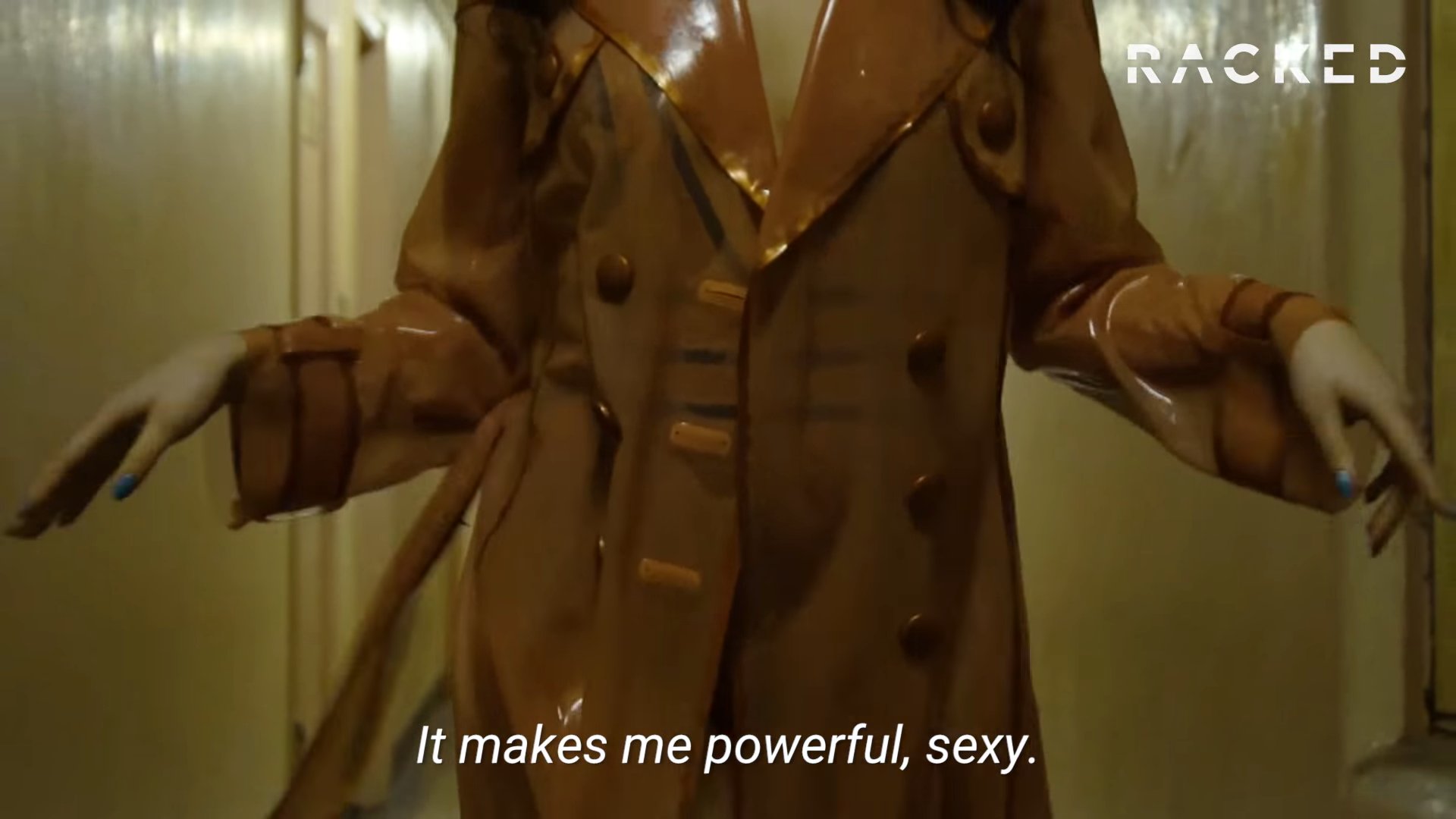
One of the best and most wide-ranging introductions to latex clothing; in this video Racked speaks to designer Kirsten Li, and the amount of ground covered in the short 2 and a half minute duration is surprising.


Besides getting an up-close look at some of Kirsten’s gorgeous designs, Kirsten talks us through the unique appeals of the material and why people love to wear it, beginning with its inherent material qualities, tactile sensation, visual allure and contradictions; its surprises and the misconceptions surrounding it.


kirten li latex racked 2 kirten li latex racked


Of course, this is placed in the wider context of its impact on those around, namely its shock value or ‘taboo’ status (which itself is often part of the appeal).

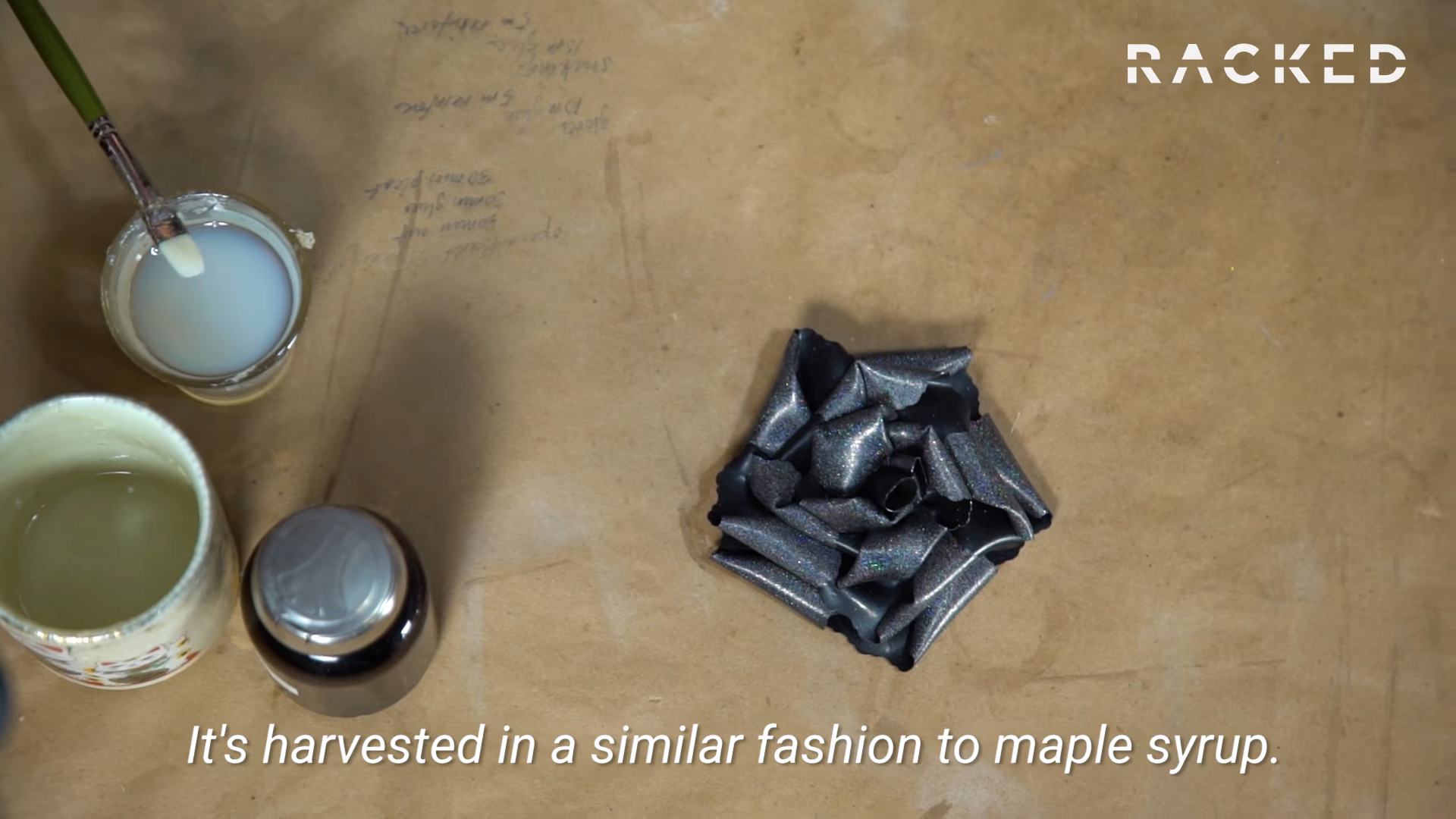
We also get a quick insight into the design process – the pattern cutting and glueing – while Kirsten talks us through latex’s natural and green origins, how it’s cared for, and how to put it on.


kirten li latex racked 3 kirten li latex racked 4


Last but not least, the dichotomy of fetish and fashion can never be ignored, latex occupying both these spaces due to its great versatility, sensuality and tendency to make a bold statement of avant-garde style. We think it’s rarely a binary issue: its allure and power often lies in a deliberate blurring of the line.

Kirsten Li Designs